Salesforce launched Agentforce 3 in June 2025 with expanded visibility and control for scaling agents. The emphasis reflected an enterprise reality: leaders cannot sponsor a growing digital workforce they cannot inspect.
Technical traces are necessary, but boards and operating executives need a different line of sight—what work agents perform, where risk accumulates and whether value grows faster than cost.
Cloud Group point of view
Observability is the management system for digital labor. It must connect agent behavior to accountable business outcomes and support intervention at multiple levels.
A practical playbook
The strongest next step is narrow enough to govern and useful enough to produce evidence. We would structure the work around these moves:
- Define a common taxonomy for agents, jobs, actions and outcomes.
- Create operational views for owners and portfolio views for executives.
- Alert on behavioral drift, policy exceptions and abnormal consumption.
- Review sampled traces, not just aggregate rates.
- Give named leaders authority to pause an agent, action or trigger.
The architecture and operating implication
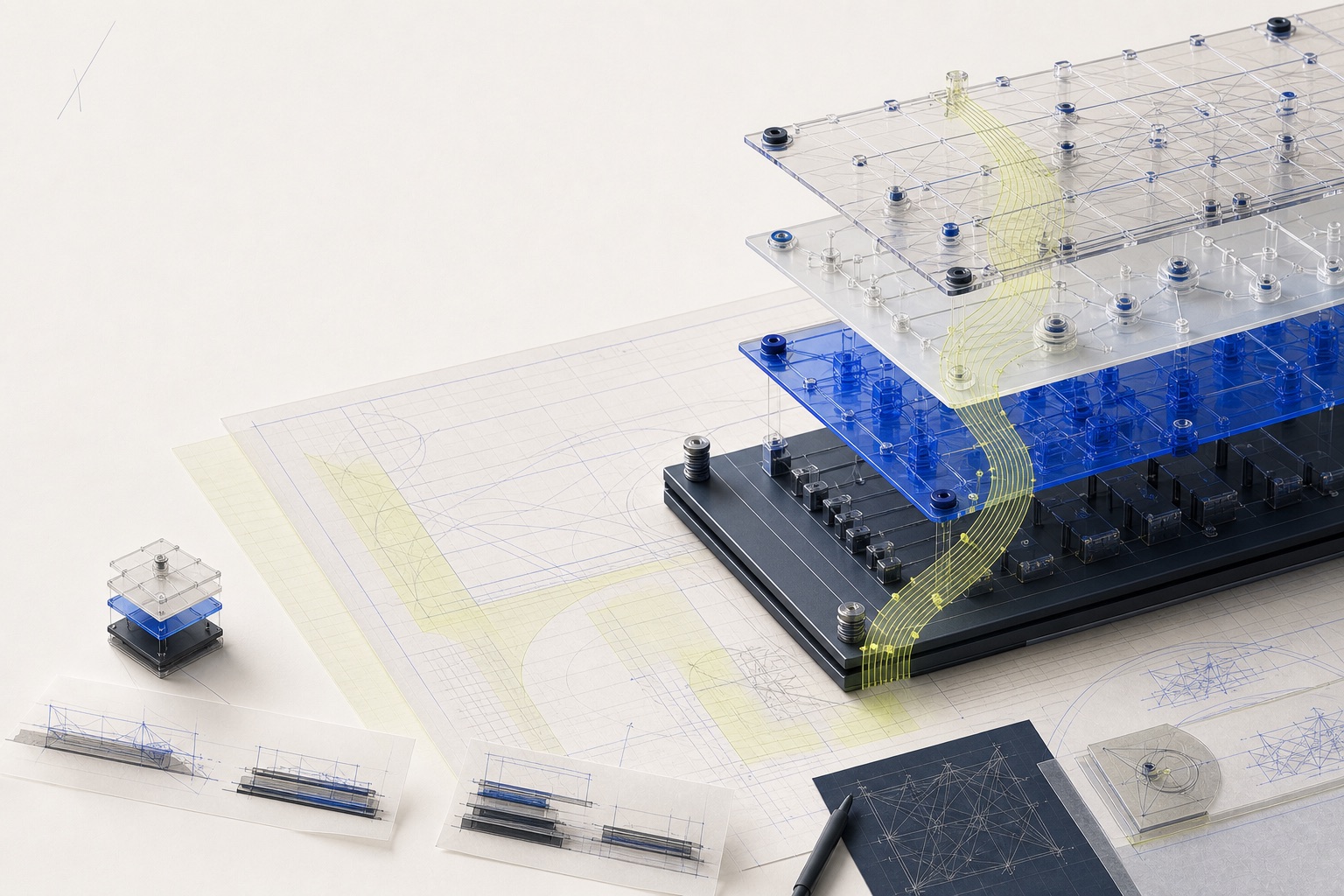
Correlate reasoning traces, tool calls, Salesforce transactions, user feedback and cost under one outcome identifier. Retain data according to sensitivity and investigation needs. An observability layer should work across models so oversight survives vendor change.
Measure what changes
Model activity is not a business result. Track a small set of indicators that connect behavior to accountable work:
- Business outcomes by agent and job
- Policy, safety and quality exceptions
- Consumption variance and cost concentration
- Mean time to detect and correct behavior
The executive question is not “How many agents do we have?” It is “What work are they accountable for, and what evidence shows that work is controlled?”
Primary sources
This field note is grounded in the product and market context available at the time of publication.