Salesforce introduced flexible Agentforce pricing in May 2025, reflecting a broader shift from software access to digital work performed. That made traditional per-seat budgeting an incomplete guide.
An agent may touch several systems, attempt an action more than once or escalate after consuming resources. Leaders need the cost of a successful business outcome, not simply the price of an interaction.
Cloud Group point of view
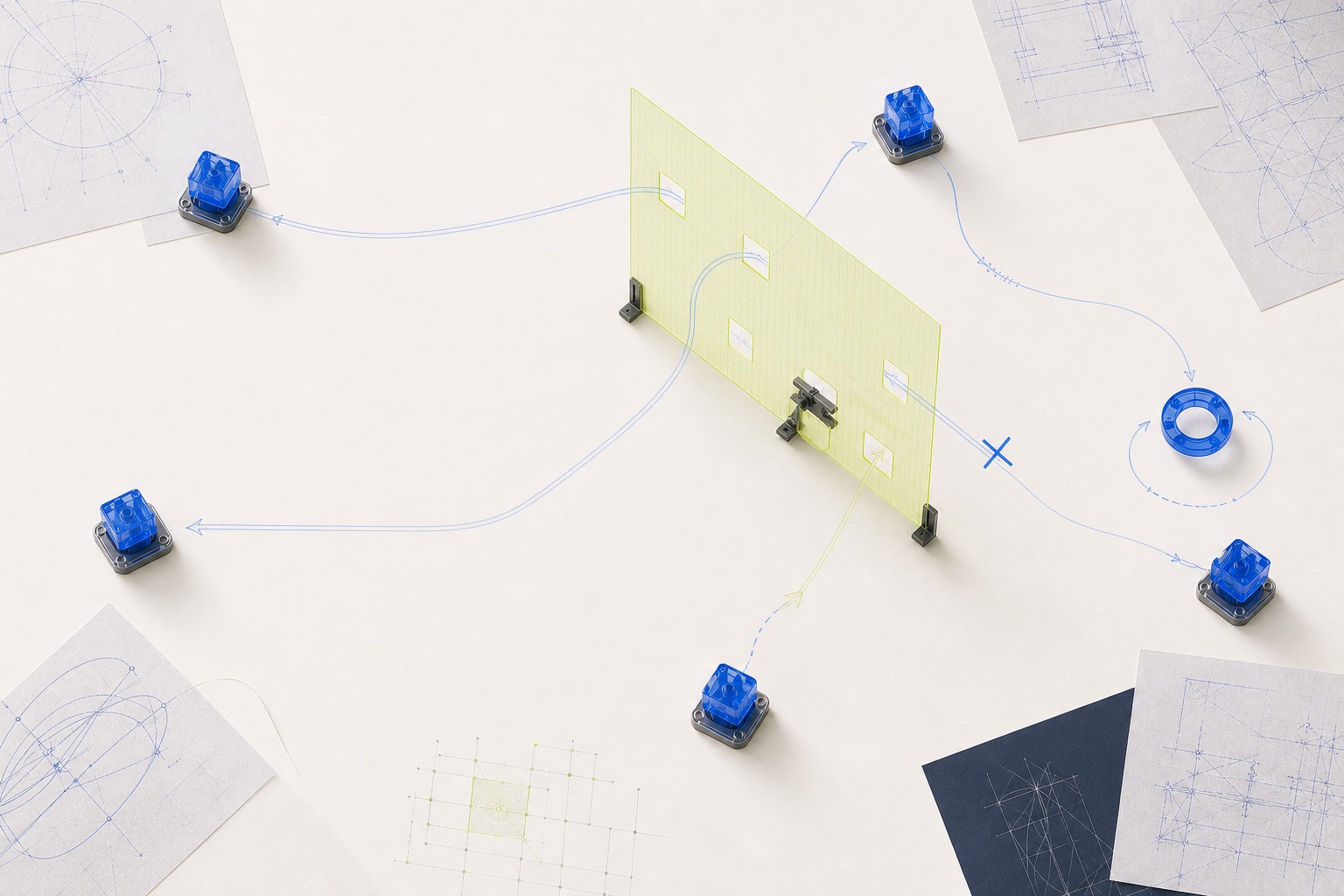
Unit economics should follow the value stream. Consumption is an input; the accountable unit is a resolved case, qualified opportunity, recovered order or other verified outcome.
A practical playbook
The strongest next step is narrow enough to govern and useful enough to produce evidence. We would structure the work around these moves:
- Map every billable action in the target workflow.
- Estimate retries, exceptions and human review at realistic quality levels.
- Compare against fully loaded current cost, including waiting and rework.
- Set budget alerts by use case and risk tier.
- Revisit process design when consumption grows faster than outcomes.
The architecture and operating implication
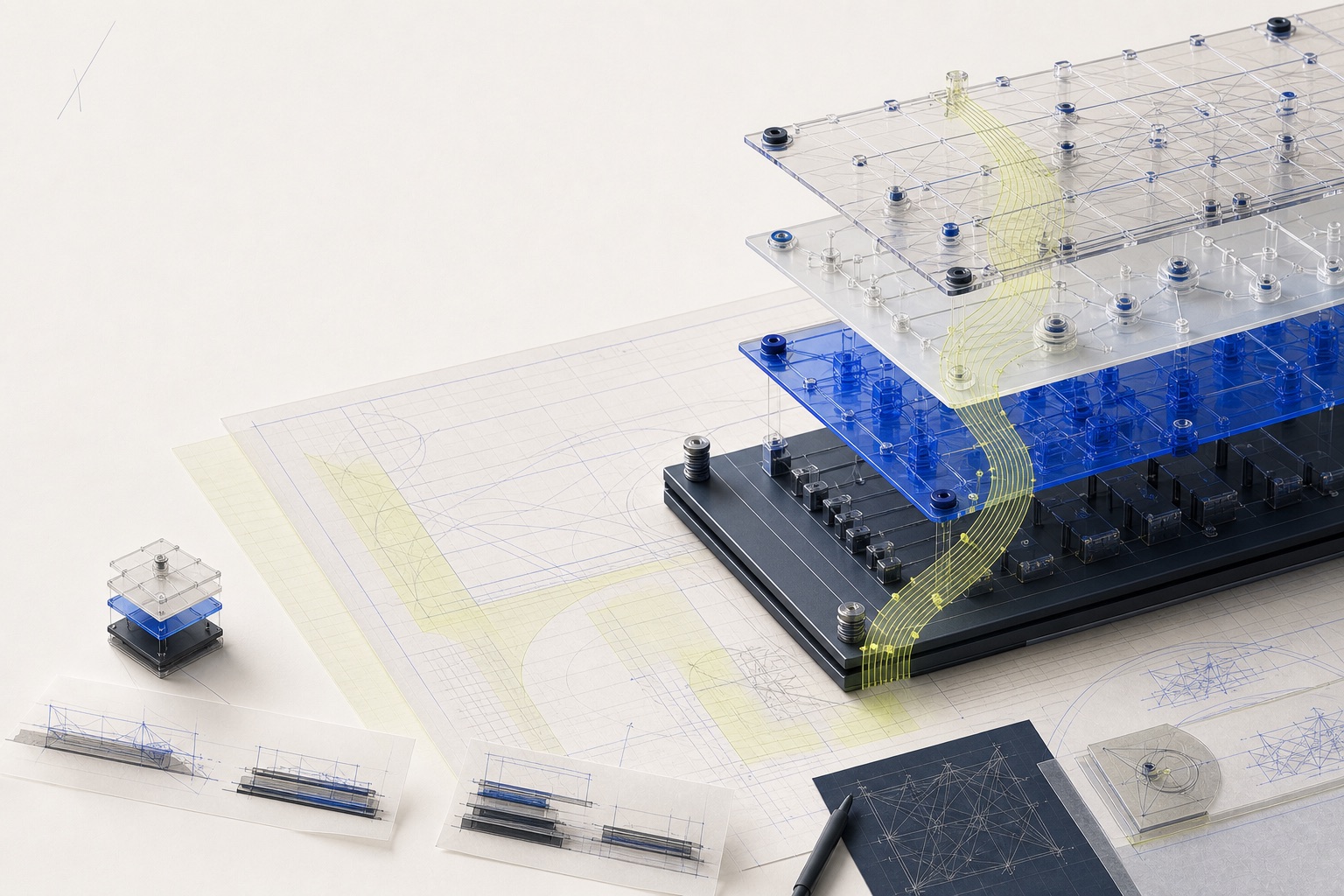
Tag telemetry with use case, customer journey and outcome ID. Correlate agent actions with Salesforce records and downstream transactions. This makes it possible to distinguish valuable demand from loops, low-quality triggers or an inefficient action design.
Measure what changes
Model activity is not a business result. Track a small set of indicators that connect behavior to accountable work:
- Consumption and platform cost per successful outcome
- Human minutes added or removed
- Retry and failed-action cost
- Incremental revenue, retention or service capacity
A transparent cost model protects the program from both unchecked consumption and false savings claims. It creates the evidence required to scale the right work.
Primary sources
This field note is grounded in the product and market context available at the time of publication.