The first year of generative AI produced an unusual governance gap: experiments moved faster than the operating agreements that normally protect customer data, brand promises and financial decisions.
A useful charter does not attempt to predict every future model. It establishes who may authorize a use case, what evidence is required before launch, where humans remain accountable and how the organization will stop a system that behaves unexpectedly.
Cloud Group point of view
Governance should accelerate low-risk value and increase scrutiny only as autonomy and consequence rise. A single heavyweight approval path drives useful work underground and still fails to control the highest-risk cases.
A practical playbook
The strongest next step is narrow enough to govern and useful enough to produce evidence. We would structure the work around these moves:
- Tier use cases by data sensitivity, external exposure, autonomy and reversibility.
- Name business, data, technology and risk owners for every production use case.
- Define prohibited data and prohibited actions in plain language.
- Require an evaluation baseline and rollback plan before production.
- Review evidence on a recurring cadence rather than relying on launch approval.
The architecture and operating implication
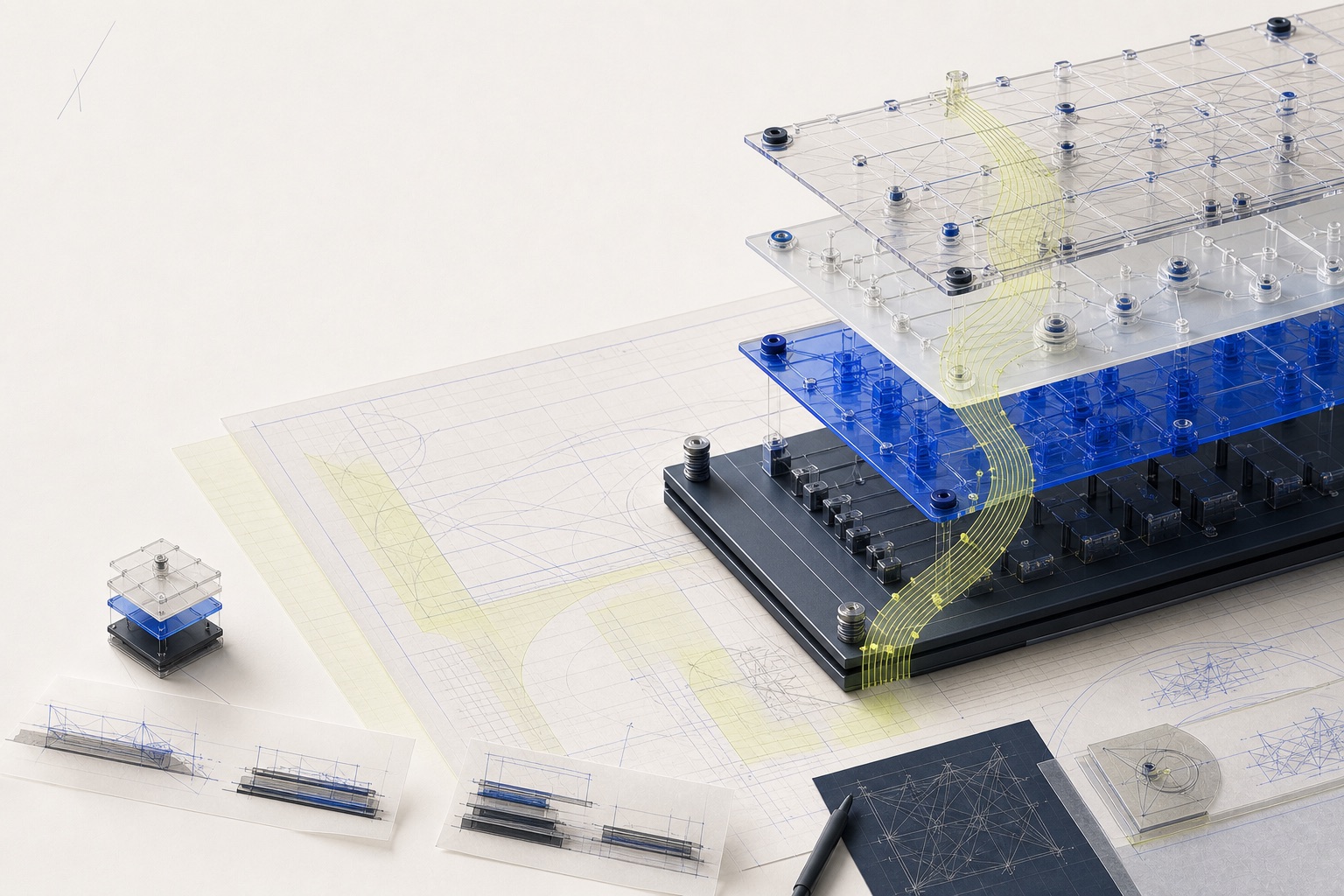
Implement policy through the platform: permission sets, trusted data boundaries, action allowlists, audit events and environment controls. Keep a decision register that ties each exception to an owner and expiration date. Governance is strongest when it is visible in configuration and telemetry, not just a document.
Measure what changes
Model activity is not a business result. Track a small set of indicators that connect behavior to accountable work:
- Use cases by risk tier and lifecycle stage
- Policy exceptions and time to resolution
- Evaluation coverage for production behavior
- Incidents, near misses and effective rollback time
The charter’s purpose is confidence: teams know where they can move quickly, leaders know who is accountable and customers are not asked to absorb hidden experimentation risk.
Primary sources
This field note is grounded in the product and market context available at the time of publication.