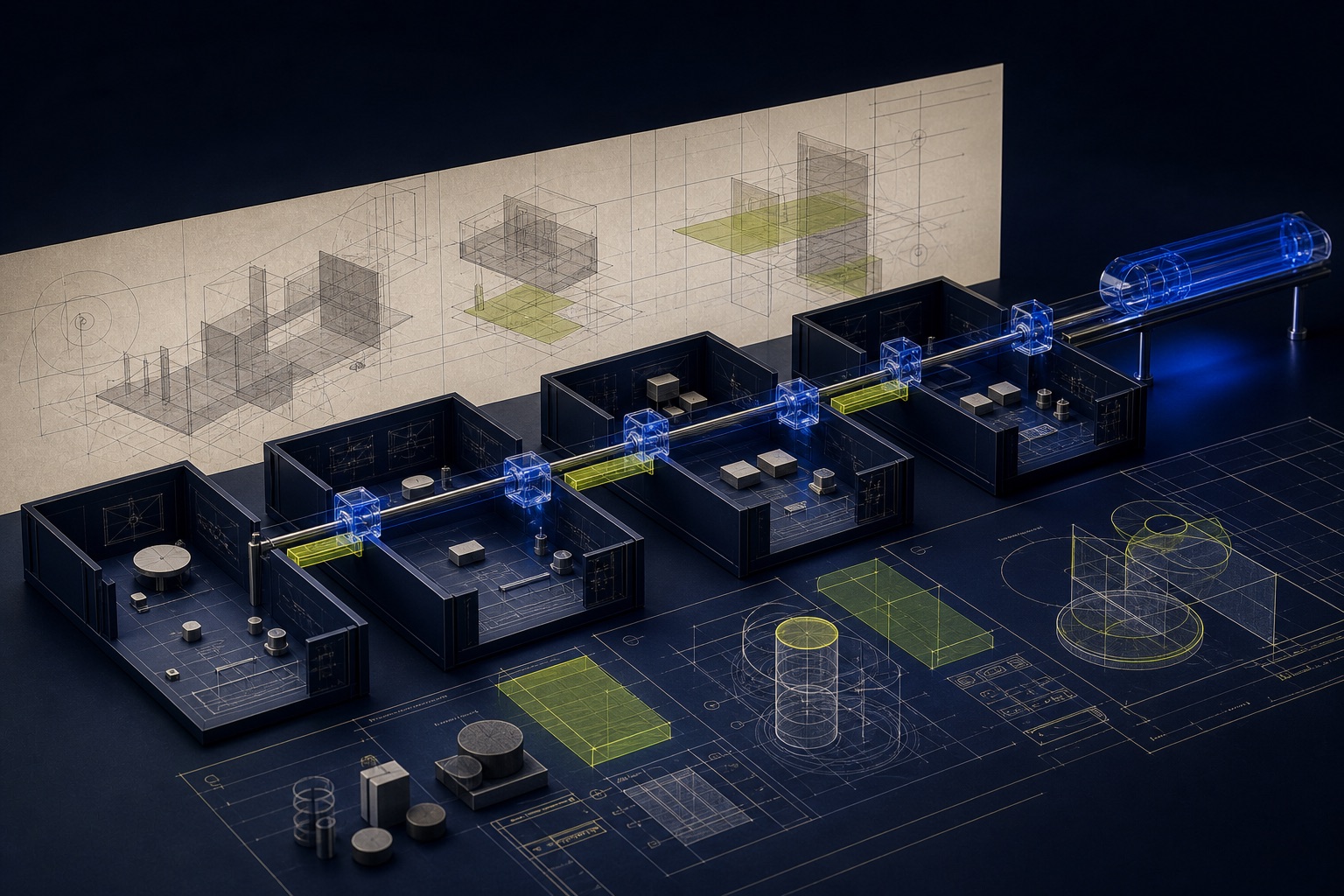
By 2026, organizations could add agent capacity faster than they could redesign roles, knowledge and controls. The apparent elasticity of digital labor made an old planning assumption dangerous: more task capacity does not automatically create more system throughput.
Agents shift work toward exception handling, judgment, improvement and supervision. Those roles need deliberate capacity of their own.
Cloud Group point of view
Plan the combined system. The correct ratio of people to agents depends on consequence, variability, maturity and the quality of the operating context—not a universal productivity target.
A practical playbook
The strongest next step is narrow enough to govern and useful enough to produce evidence. We would structure the work around these moves:
- Map demand, queues and constraints across the complete workflow.
- Estimate agent completion, exception and rework distributions.
- Reserve human capacity for supervision and continuous improvement.
- Redesign roles and incentives before reducing staffing assumptions.
- Increase autonomy only when evidence reduces uncertainty.
The architecture and operating implication
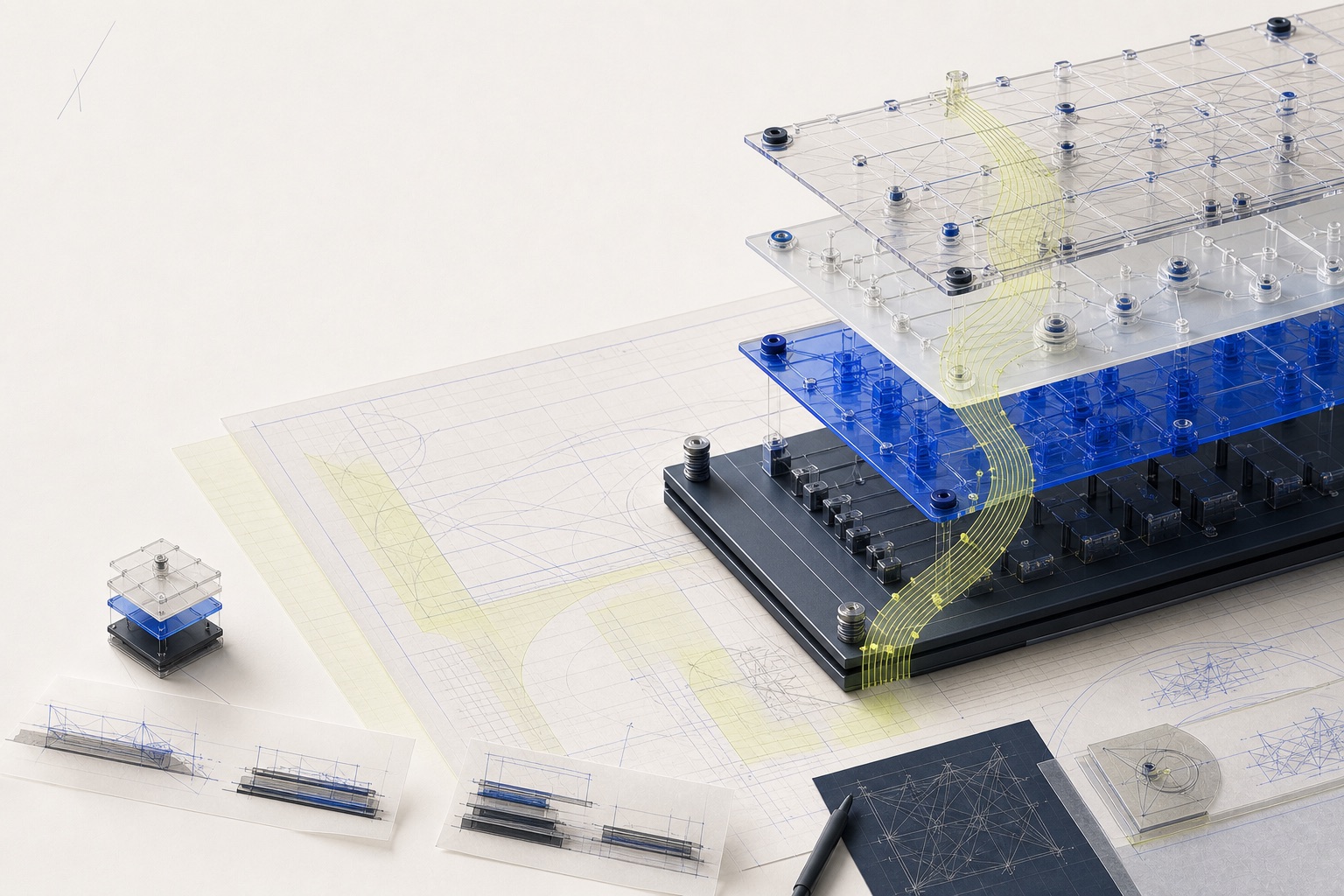
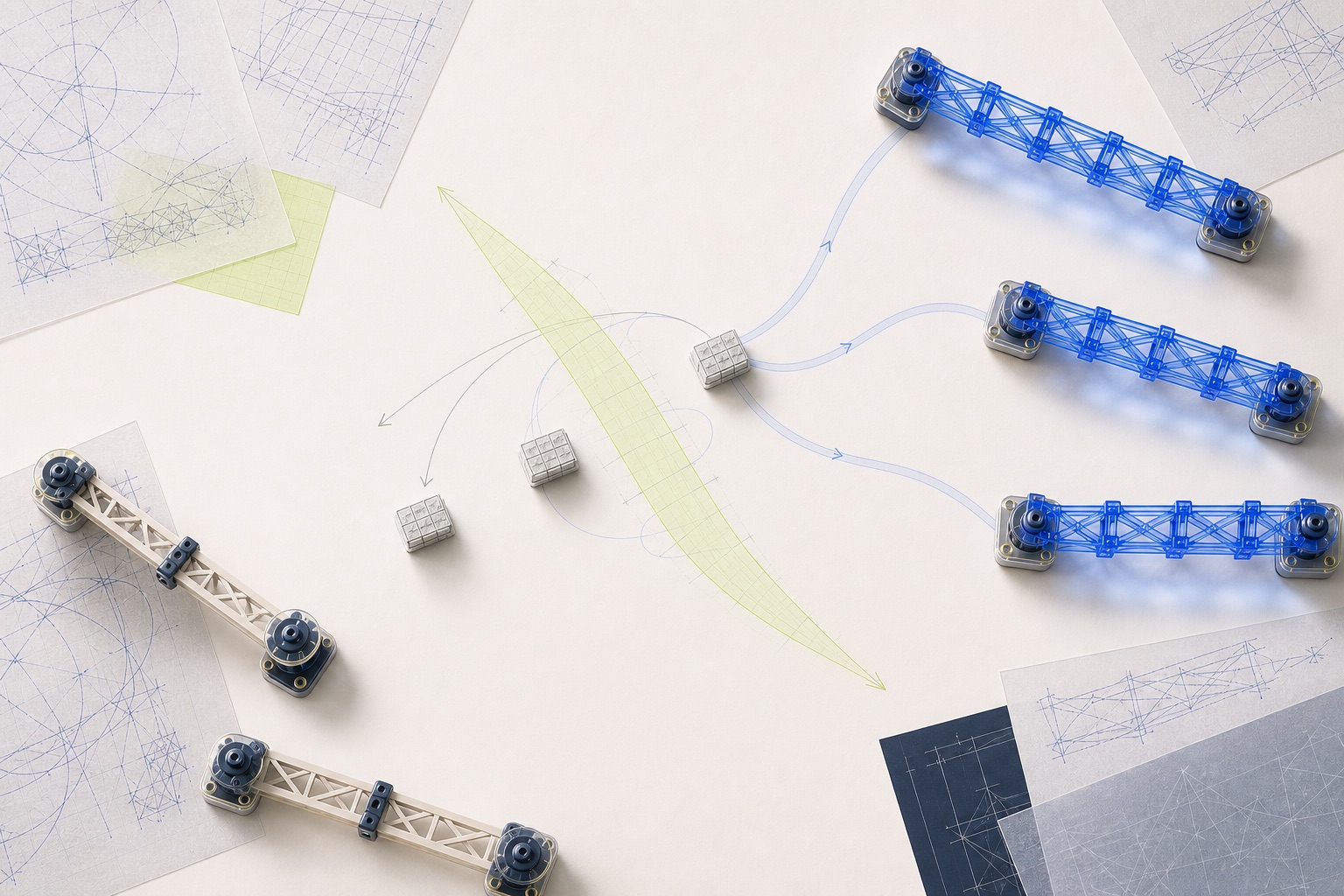
Expose a shared work queue where agent and human states are visible. Route exceptions by skill and urgency, preserve the trace that led to the handoff and let supervisors adjust thresholds without code deployment. Capacity data should connect to Salesforce outcome records.
Measure what changes
Model activity is not a business result. Track a small set of indicators that connect behavior to accountable work:
- End-to-end throughput and waiting time
- Exception load per qualified supervisor
- Rework introduced by agent decisions
- Improvement backlog age and impact
The goal is not the fewest humans in the process. It is a system where human judgment and digital capacity reinforce one another at a sustainable cost.
Primary sources
This field note is grounded in the product and market context available at the time of publication.