Before autonomous agents became a Salesforce product category, many orgs were already carrying conditions that made autonomy dangerous: overlapping Flows, broad permissions, undocumented exception logic and data whose meaning changed by department.
An agent amplifies the operating model it enters. It does not repair unclear ownership or resolve contradictory automation on its own.
Cloud Group point of view
Agent readiness is operational readiness made visible. The fastest preparation is to reduce ambiguity in the few workflows where autonomy could produce material value.
A practical playbook
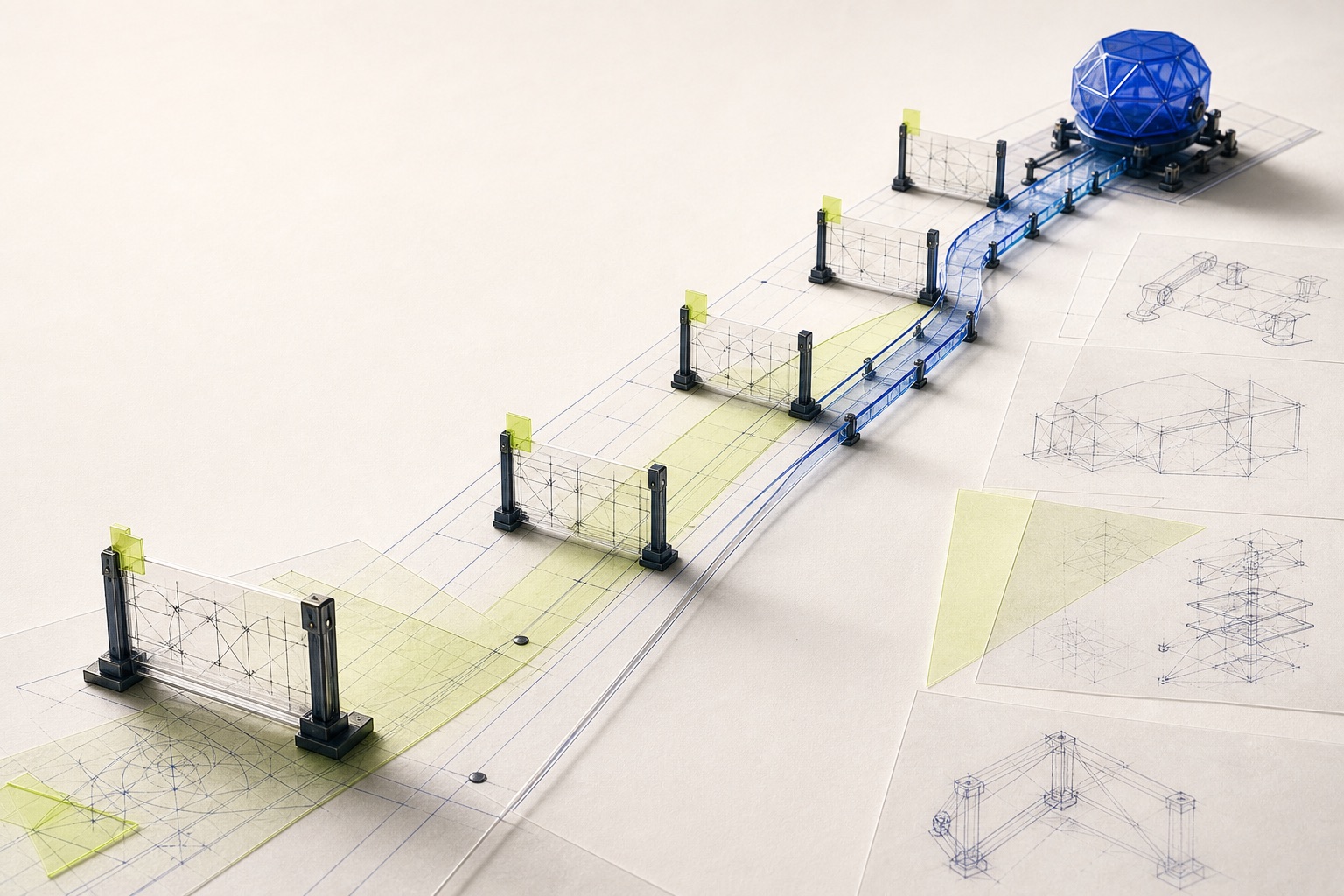
The strongest next step is narrow enough to govern and useful enough to produce evidence. We would structure the work around these moves:
- Inventory automation and identify competing updates to the same records.
- Replace broad permissions with action-specific access.
- Document the policy boundary and known exceptions for the target workflow.
- Create idempotent, reversible actions wherever possible.
- Define the signals that pause the agent and summon a human.
The architecture and operating implication
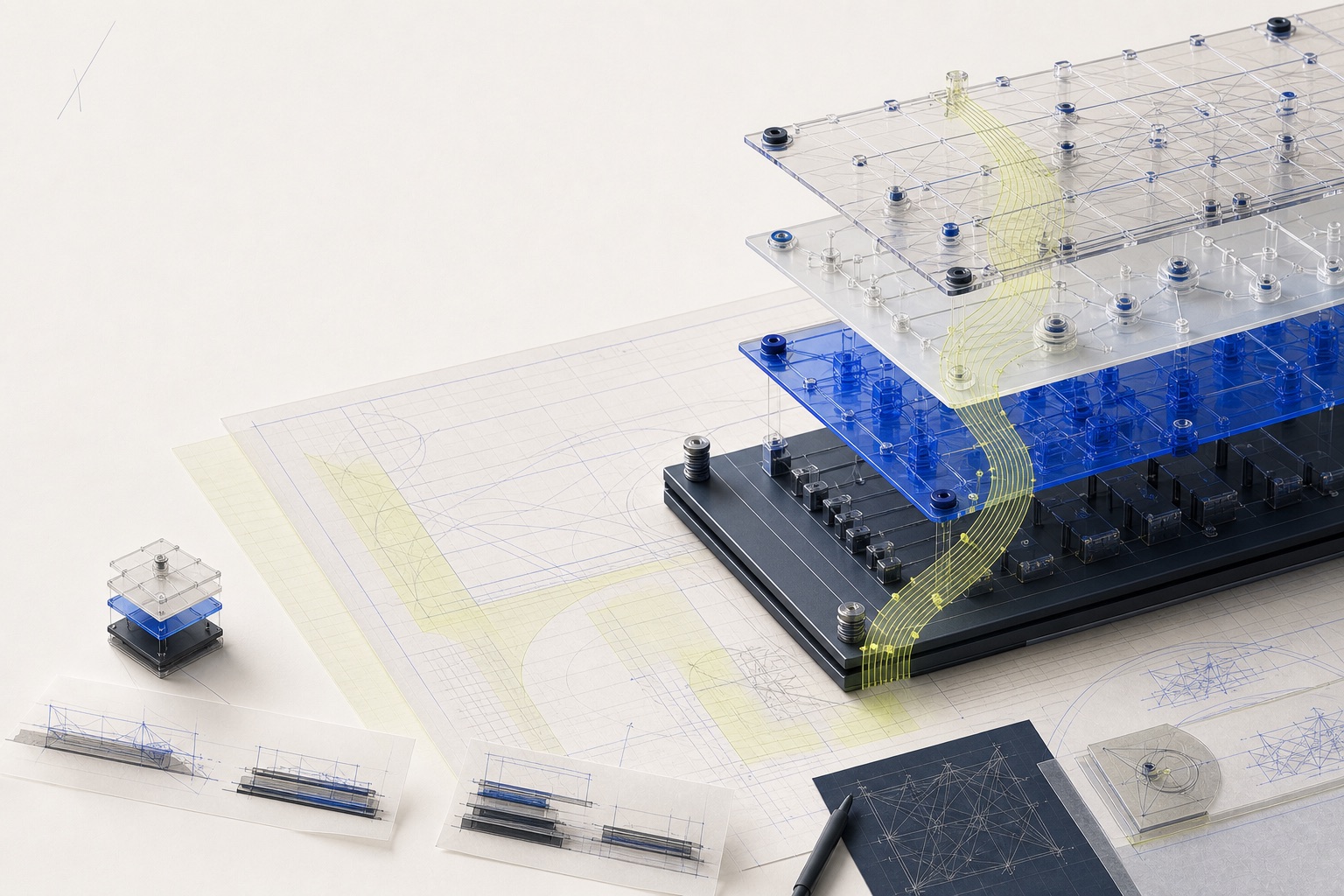
Use a layered design: the agent interprets intent, deterministic services enforce policy, Salesforce records the transaction and telemetry captures the path. Avoid giving an agent unrestricted CRUD access when a bounded Flow or API can express the intended capability.
Measure what changes
Model activity is not a business result. Track a small set of indicators that connect behavior to accountable work:
- Actions available through governed interfaces
- Duplicate or conflicting automation removed
- Transactions safely reversed
- Exception paths with named ownership
Autonomy should be earned one action at a time. A clean Salesforce operating surface lets the organization increase that autonomy without increasing uncertainty at the same rate.
Primary sources
This field note is grounded in the product and market context available at the time of publication.