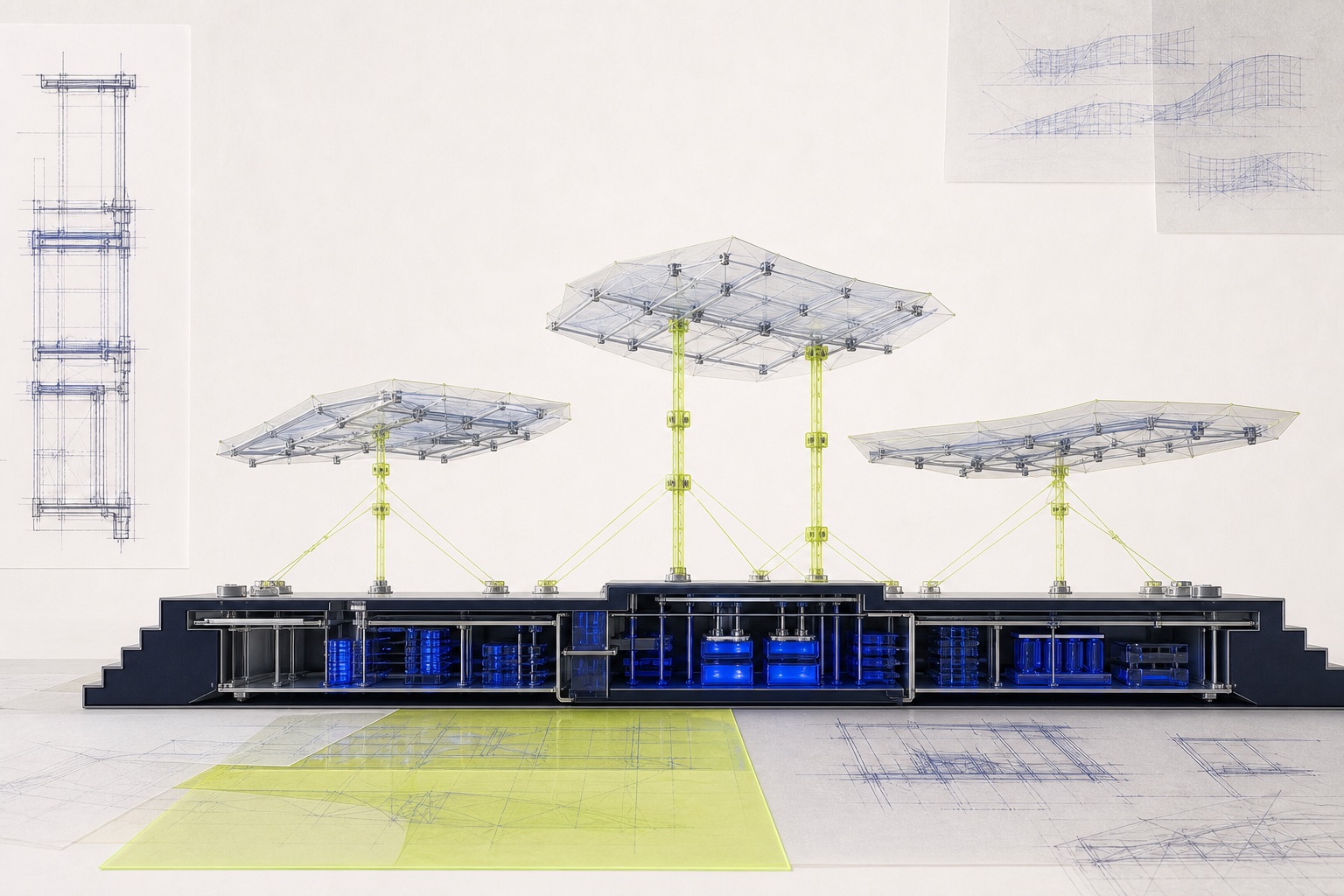
Dreamforce 2023 introduced Einstein 1 as a unified platform story: CRM data, Data Cloud, metadata, automation and generative AI working through the same trust boundary. The architectural implication was larger than the launch language.
For years, Salesforce programs could treat analytics, integration, automation and user experience as adjacent workstreams. AI made those boundaries expensive. A generated answer is only as useful as the context it can retrieve and the governed action it can safely initiate.
Cloud Group point of view
The unit of design is no longer the screen or even the cloud. It is the end-to-end decision: what context enters, how policy is applied, which action is taken and what evidence is retained.
A practical playbook
The strongest next step is narrow enough to govern and useful enough to produce evidence. We would structure the work around these moves:
- Map high-value decisions across Sales, Service and back-office systems.
- Separate system-of-record data from contextual and inferred data.
- Expose reusable actions through Flow, Apex or APIs with explicit permissions.
- Design retrieval and grounding around the decision, not around every available document.
- Instrument the journey from prompt to action so teams can improve it.
The architecture and operating implication
Treat Data Cloud, the Salesforce metadata model and automation as a composable context layer. That reduces brittle point solutions and lets native AI inherit existing security and business logic. It also exposes where legacy configuration, duplicate automation or vague ownership will constrain the program.
Measure what changes
Model activity is not a business result. Track a small set of indicators that connect behavior to accountable work:
- Decision cycle time
- Reuse rate for governed actions and data products
- Grounded-answer acceptance rate
- Exceptions requiring manual system switching
Einstein 1 made a practical point: AI value compounds when the platform has coherent context and reusable actions. The strongest roadmap therefore improves the architecture while delivering narrow, visible outcomes.
Primary sources
This field note is grounded in the product and market context available at the time of publication.