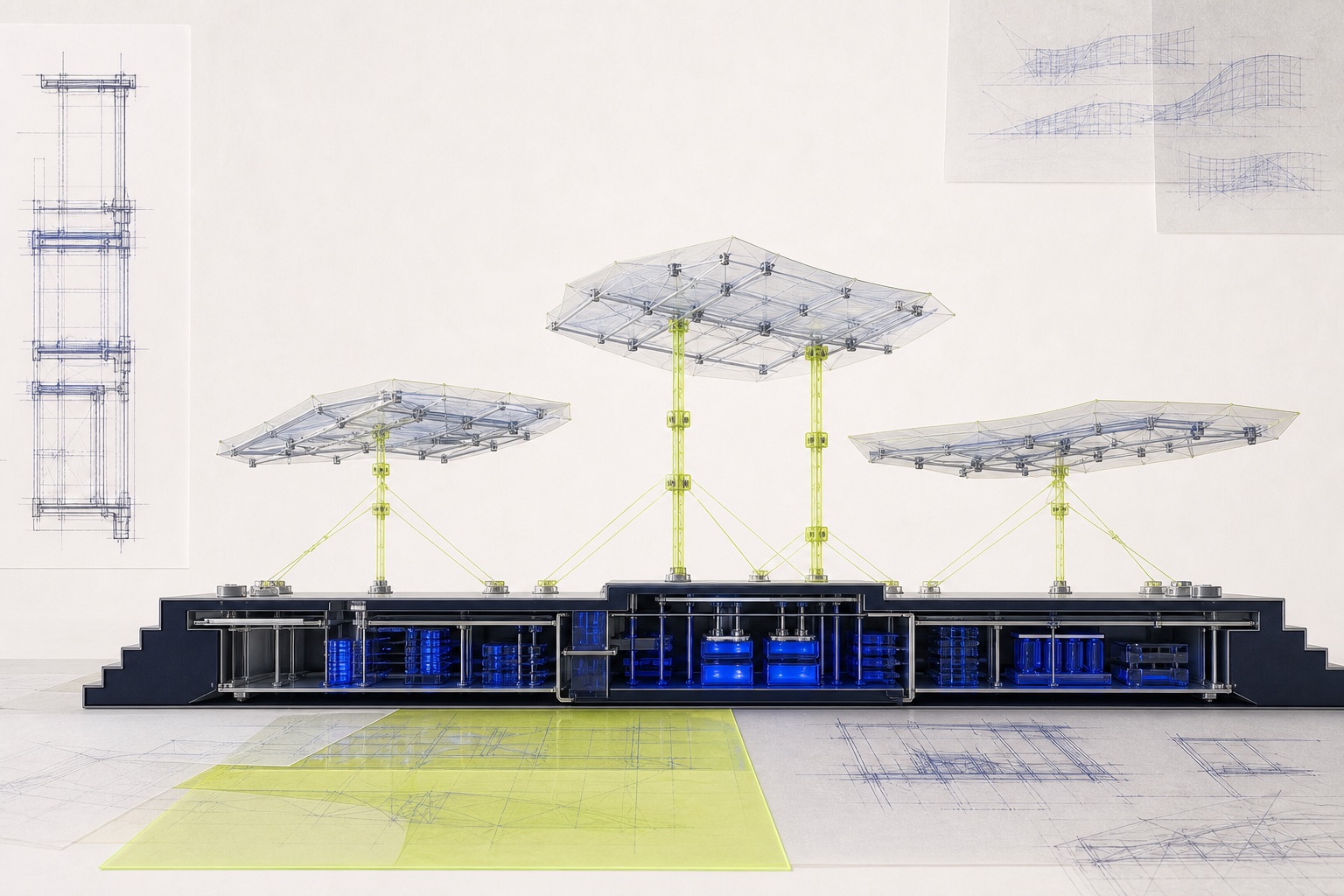
Salesforce announced Headless 360 in April 2026, framing core platform capabilities for use beyond the traditional browser interface. The direction matched a wider shift: work increasingly begins in agents, collaboration tools, custom experiences and embedded surfaces.
Headless does not mean bypassing Salesforce. It means making its governed capabilities usable without making every interaction inherit the full application shell.
Cloud Group point of view
Treat Salesforce as a business capability platform. Expose stable services that preserve identity, policy and transaction integrity across every experience.
A practical playbook
The strongest next step is narrow enough to govern and useful enough to produce evidence. We would structure the work around these moves:
- Identify high-value capabilities currently trapped inside screen flows.
- Design APIs around business outcomes rather than Salesforce objects.
- Propagate acting identity and customer context explicitly.
- Use idempotency, validation and structured errors for agent callers.
- Keep the authoritative transaction and audit record in Salesforce.
The architecture and operating implication
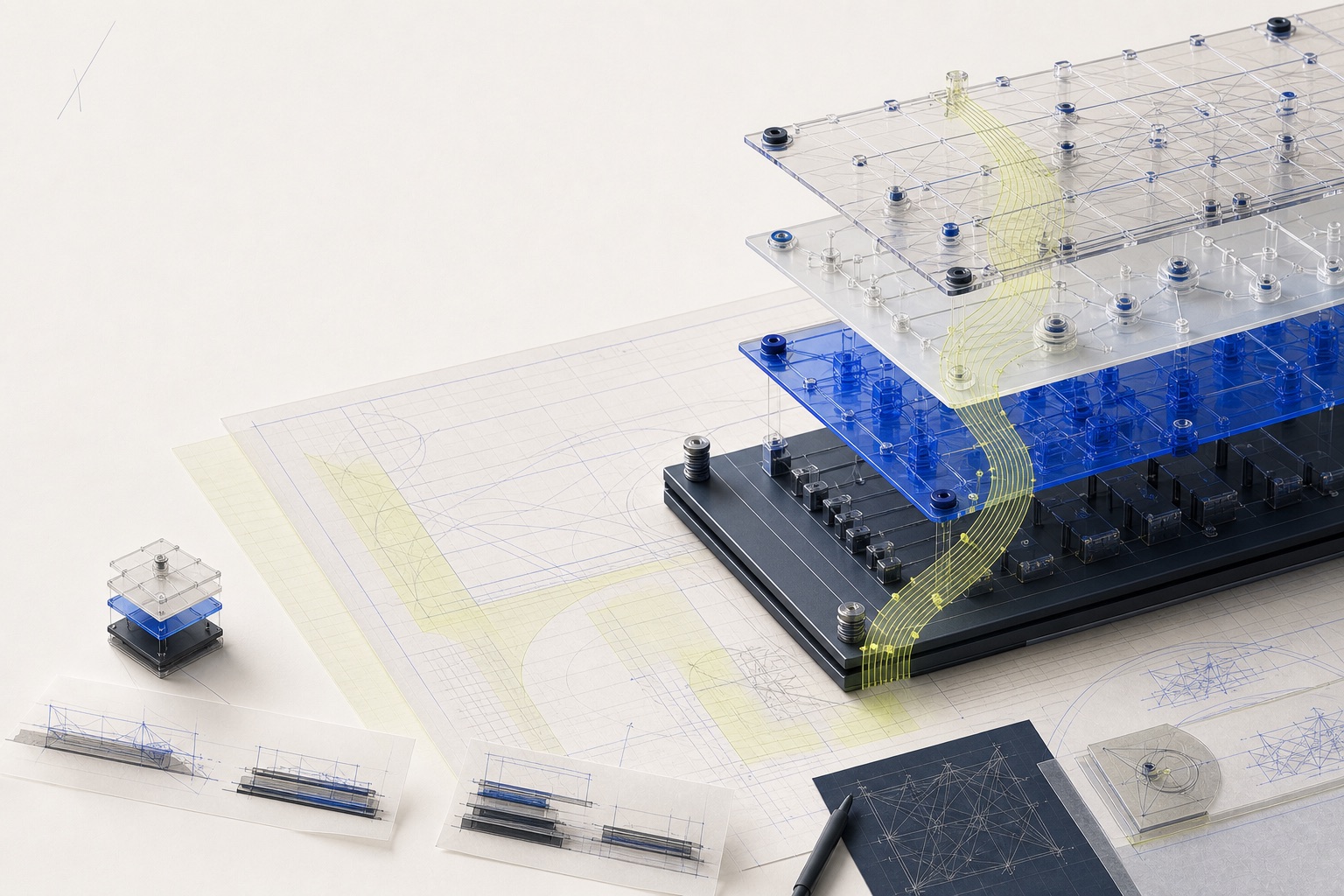
Create a managed service layer over Flows, Apex and platform APIs. Experience channels—including Agentforce, external agents and bespoke applications—should call the same contracts. Add an API gateway for policy, rate controls and observability without duplicating business rules.
Measure what changes
Model activity is not a business result. Track a small set of indicators that connect behavior to accountable work:
- Capability reuse across channels
- Time to create a new governed experience
- Transaction errors and duplicate actions
- Custom interface code retired
Headless architecture makes Salesforce more central by making its best capabilities less dependent on a particular interface.
Primary sources
This field note is grounded in the product and market context available at the time of publication.